
Automatic & hybrid
We specialise in repairing auto & hybrid vehicles.
All Manufacturers
We can repair all vehicle makes and models.
12 Month Warranty
On all transmission and gearbox repairs.
Collection & Delivery
Available nationwide
Automatic Gearbox Problems? Diagnose the Cause Before Replacing Parts
Slipping, delayed engagement, harsh gear changes, warning lights, unusual noises or loss of drive can be caused by hydraulic, electronic or internal automatic transmission faults.
Modern automatic gearboxes rely on hydraulic pressure, electronic controls, solenoids, the valve body, torque converter and internal transmission components all working together correctly.
Because different faults can create similar symptoms, specialist diagnosis is important before deciding whether the gearbox needs servicing, component repair, reconditioning or a complete rebuild.
The problem may be isolated to the valve body, solenoids, hydraulic system, torque converter, electronic controls or another internal component.

Common Signs of an Automatic Gearbox Problem
Automatic transmission faults can appear in different ways depending on whether the issue is hydraulic, electronic or mechanical.
Gearbox Slipping
Engine revs increasing without matching acceleration can point towards hydraulic pressure loss, clutch wear or another internal transmission fault.
Delayed Drive or Reverse
A noticeable pause before Drive or Reverse engages can be linked to hydraulic pressure, valve body, solenoid or internal gearbox problems.
Harsh or Jerky Gear Changes
Sudden or aggressive shifts may be caused by valve body faults, solenoid problems, incorrect hydraulic pressure or internal wear.
Gearbox Warning Lights
Dashboard transmission warnings can appear when the control system detects an electronic, hydraulic or mechanical fault.
Unusual Gearbox Noises
Whining, humming, knocking or other unusual noises can sometimes indicate bearing, torque converter or internal transmission wear.
Limp Mode or Loss of Drive
More serious automatic transmission faults can restrict gear operation, leave the vehicle in a limited gear or result in partial or complete loss of drive.
These symptoms do not confirm which automatic transmission component has failed. Fault-code analysis, hydraulic testing and specialist inspection are used to identify the actual cause before repair.
How Does an Automatic Transmission Work?
A conventional automatic transmission uses hydraulic pressure, electronic controls and internal clutch packs to select and change gears automatically while the vehicle is being driven.
Instead of a conventional clutch pedal, many automatic gearboxes use a torque converter to transfer power from the engine into the transmission. Hydraulic pressure is then directed through the valve body to control clutch application, gear selection and shift timing.
Solenoids, sensors and electronic transmission controls work alongside the hydraulic system to regulate pressure and determine when the gearbox should change gear.
Common Automatic Transmission Fault Areas
Automatic gearbox problems often involve a combination of hydraulic, electronic and mechanical components.
Valve Body & Solenoid Faults
The valve body controls hydraulic fluid flow through the gearbox, while solenoids regulate pressure and shift operation. Wear or faults here can cause harsh shifts, delayed engagement or incorrect gear selection.
Hydraulic Pressure Problems
Low, unstable or incorrectly controlled hydraulic pressure can affect clutch application and gear selection, causing slipping, delayed drive or poor shift quality.
Torque Converter Problems
Torque converter faults can contribute to vibration, shuddering, poor acceleration, overheating or unusual noises depending on the type of failure present.
Internal Transmission Wear
Clutch packs, bearings, gears and other internal components can wear or become damaged, sometimes requiring component repair, reconditioning or a complete transmission rebuild.
Not Sure Which Automatic Gearbox Component Is Causing the Fault?
Specialist testing can help separate valve body, solenoid, hydraulic, electronic and internal transmission problems before the repair route is decided.
Valve Body, Solenoid & Hydraulic Testing
The valve body is one of the main hydraulic control systems inside an automatic gearbox, directing transmission fluid to control clutch application, gear selection and shift timing.
Solenoids work alongside the valve body to regulate hydraulic pressure electronically. When the valve body or solenoids develop a fault, the gearbox may begin to change gear harshly, hesitate, slip, select the wrong gear or display transmission warning lights.
Because similar symptoms can also be caused by hydraulic pressure problems or internal gearbox wear, specialist testing is important before expensive components are replaced or a full transmission rebuild is recommended.
Specialist testing can help identify whether the problem is within the hydraulic control system, electronic controls or another part of the transmission.
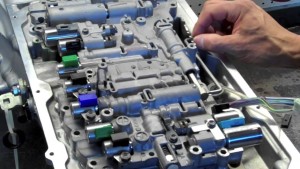
Mackie Valve Body & Solenoid DAQ
Our Mackie Valve Body & Solenoid DAQ equipment allows valve bodies and solenoids to be tested under controlled conditions, helping identify hydraulic and electronic faults before repair or replacement is recommended.
Hydratest Hydraulic Testing
Hydratest equipment can be used to assess hydraulic performance and help identify pressure loss, control problems and faults affecting transmission operation.
Electronic & Live Data Diagnosis
Fault codes and live transmission data can help identify abnormal operation, electronic control problems and faults affecting gear selection or shift behaviour.
Hydraulic Pressure & Control Testing
Hydraulic pressure and control behaviour can be assessed to help determine whether slipping, delayed engagement or harsh gear changes are being caused by pressure-related faults.
Why Specialist Automatic Transmission Testing Matters
Valve bodies, solenoids and hydraulic control systems are complex and expensive components. Confirming the actual cause of the fault before replacement can reduce unnecessary parts costs and help ensure the repair addresses the real transmission problem.
Harsh Gear Changes, Delayed Engagement or Warning Lights?
Tell us what the automatic gearbox is doing and our technicians can advise on the appropriate diagnostic route.
Automatic Transmission Servicing, Repair & Rebuilding
Automatic gearbox faults do not all require the same repair. Depending on the diagnosis and condition of the transmission, the correct route may be servicing, targeted component repair, reconditioning or a complete rebuild.
Automatic Gearbox Servicing
Automatic transmission fluid is exposed to heat, friction and internal wear over time. Where servicing is appropriate for the gearbox fitted, maintaining the fluid and filter can help support long-term transmission operation.
- Transmission fluid condition checks
- Automatic gearbox oil changes
- Filter replacement where applicable
- Sump, seal and leak inspection
- Transmission diagnostic checks
When Servicing Is Not Enough
A service cannot repair worn or failed transmission components. Persistent symptoms may indicate a hydraulic, electronic or internal mechanical fault that requires further repair.
- Persistent slipping or engine-speed flare
- Harsh or delayed gear changes
- Valve body or solenoid faults
- Torque converter problems
- Confirmed internal gearbox damage
Does Your Automatic Gearbox Need Repair, Reconditioning or a Full Rebuild?
The correct repair depends on which components have failed and how much of the transmission has been affected.
Targeted Component Repair
Where the fault is isolated, components such as valve bodies, solenoids, hydraulic controls or related transmission parts may be repaired or replaced without rebuilding the complete gearbox.
Transmission Reconditioning
Worn components can be stripped, inspected and reconditioned where appropriate, allowing damaged parts to be addressed while retaining serviceable transmission components.
Complete Gearbox Rebuild
Where significant internal wear or damage is found, the transmission can be stripped down, inspected and rebuilt with replacement components as required.
Diagnosis Before Replacement
Slipping, harsh shifts and delayed engagement can have several possible causes. Identifying the actual fault first helps avoid replacing major components unnecessarily and ensures the repair targets the real transmission problem.
Automatic Transmission Specialists Since 1991
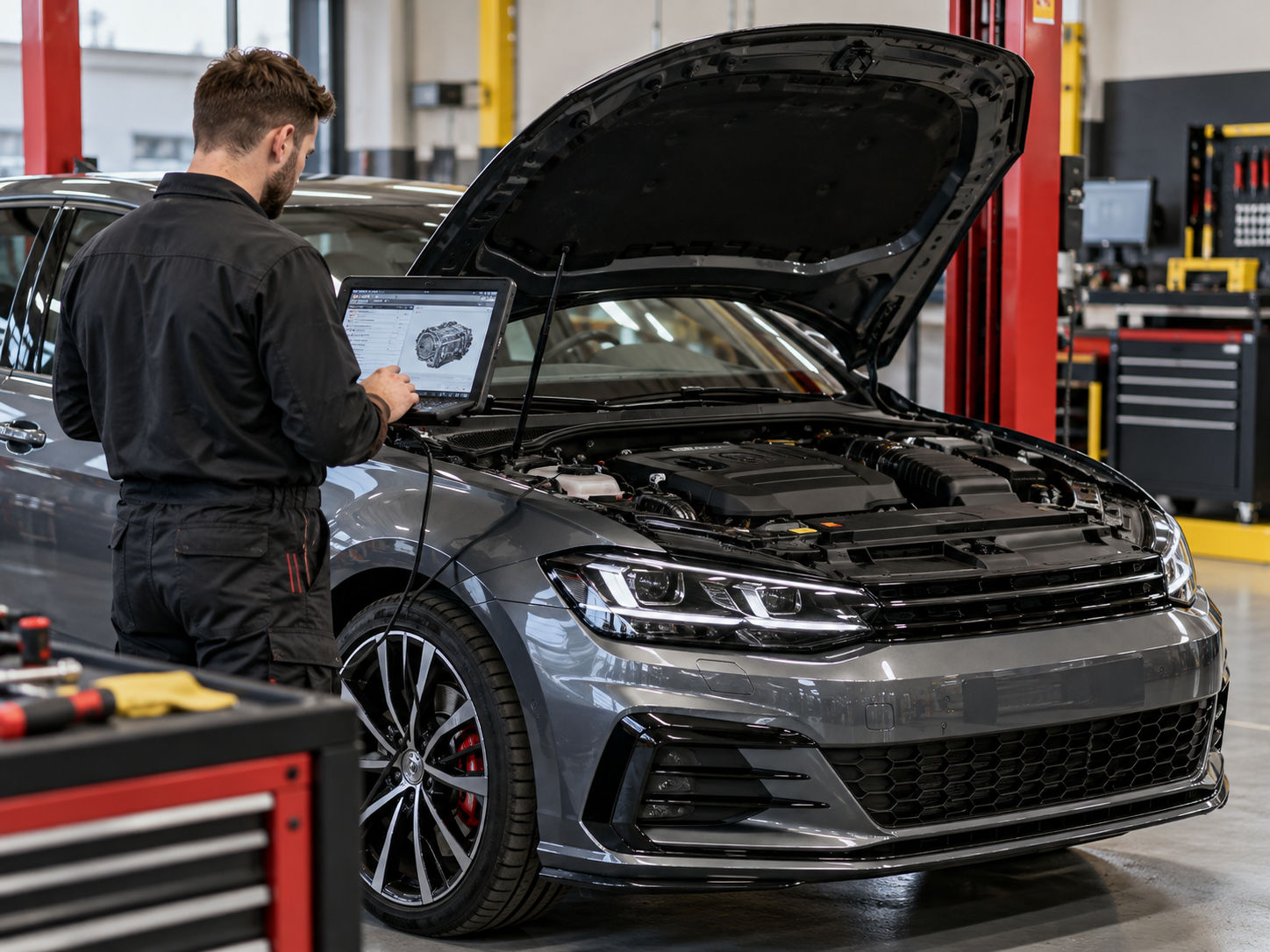
Beds Automatic Transmissions provides specialist automatic gearbox diagnostics, servicing, component repair, reconditioning and complete transmission rebuilds from its Bedfordshire workshop.
Not Sure What Your Automatic Gearbox Needs?
Tell us the vehicle registration, mileage and symptoms and our technicians can advise whether the next step should be diagnostics, servicing, component repair or a gearbox rebuild.
Automatic Transmission FAQs
Answers to some of the most common questions we receive about automatic gearbox faults, servicing, repairs and rebuilds.
What are the signs of an automatic gearbox problem?
Common symptoms include slipping, delayed engagement, harsh or jerky gear changes, unusual noises, warning lights, limp mode or partial loss of drive.
Can an automatic gearbox be repaired?
Yes. Depending on the fault, an automatic transmission may be repaired by replacing or reconditioning individual components rather than replacing the complete gearbox.
Why is my automatic gearbox slipping?
Slipping can be caused by hydraulic pressure problems, worn internal clutch components, valve body faults, solenoid issues or other internal transmission wear.
What causes delayed engagement in an automatic gearbox?
A delay when selecting Drive or Reverse may be linked to hydraulic pressure loss, valve body or solenoid faults, fluid-related issues or internal wear.
Does an automatic gearbox need servicing?
Many automatic transmissions benefit from periodic servicing, including fluid condition checks and oil or filter replacement where specified for that gearbox.
Can changing the gearbox oil fix a transmission fault?
A fluid change may help where the problem is related to degraded or incorrect fluid, but it will not repair worn or failed mechanical, hydraulic or electronic components.
What is a valve body in an automatic gearbox?
The valve body controls hydraulic fluid flow through the transmission and plays a major role in clutch operation, gear selection and shift timing.
Can valve body or solenoid faults be tested?
Yes. Specialist equipment such as Mackie Valve Body & Solenoid DAQ and Hydratest systems can help assess hydraulic and electronic performance before repair or replacement is recommended.
When does an automatic gearbox need rebuilding?
A full rebuild may be required when significant internal wear or damage is found across multiple transmission components and a targeted repair is no longer appropriate.
How long is the warranty on an automatic gearbox repair?
Qualifying gearbox and transmission repairs from Beds Automatic Transmissions are backed by a 12-month warranty, subject to the terms of the repair.
Need Help With an Automatic Gearbox Problem?
Tell us the vehicle, mileage and symptoms and our technicians can advise on the most appropriate next step.


Recent Customer Reviews
I cannot recommend this company highly enough. They said they would attempt to repair the gearbox (which Audi wanted to replace in total) which they did with great efficiency. Nino, the owner, was also kind enough to write a repair report for me.